The Critical Role of Emergency Funds in Investment
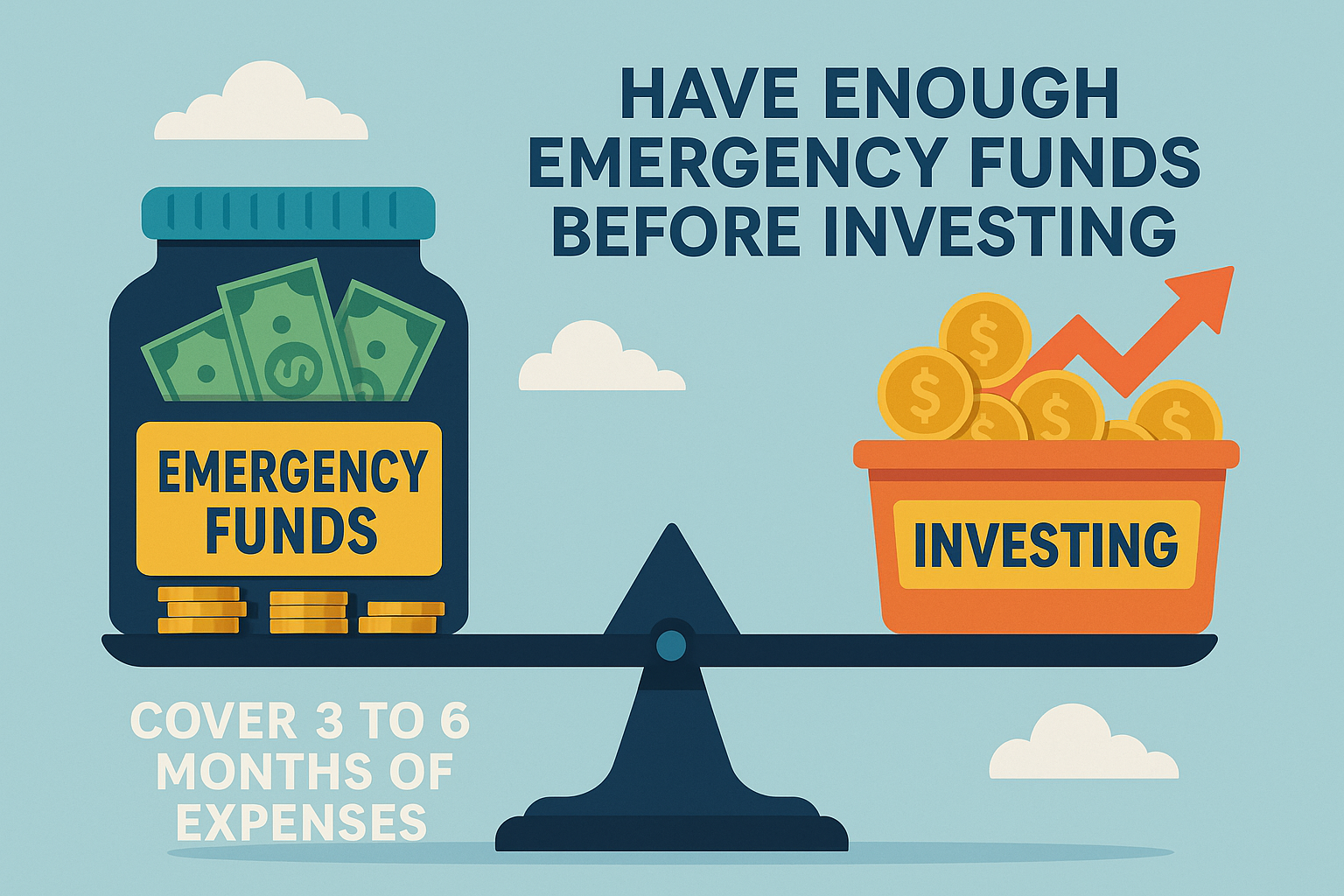
As discussed in the earlier post about "sufficiency to abundance," one of the key aspects to consider before anyone decides to invest is having enough emergency funds. By definition, emergency funds are liquid assets that can cover 3 to 6 months of expenses. Whether one needs three months or six months depends on the financial stability. For those living paycheck to paycheck, it is recommended to have at least six months of emergency funds. Without this cushion, any kind of investment could be too risky. The risk is inversely proportional to the liquidity of the investments being considered. In other words, the harder it is to access cash, the riskier it becomes.
nnnnFor example, if the money is invested in the stock market and an emergency occurs, one may have to incur significant losses if the stock is performing poorly. A similar situation would arise if the money were invested in real estate. Although in both situations, it is risky to put your emergency funds, this risk also depends on the length of the low and high cycles of an asset class. For example, real estate cycles can be significantly longer than stock market cycles, resulting in a much lengthier wait for recovery.
nnnnIn some cases, it is even worse, and funds could be completely inaccessible. For example, there are certain investments that have a locking period of up to three years. The need for emergency funds in such situations could lead to borrowing money at an extremely high interest rate, thereby proving the investment to be the worst decision.
nnnnMaintaining an emergency fund is a time-tested concept. There is wiggle room, depending on everyone's situation. However, not having emergency funds before investing is not negotiable.
nnnnn